
Power, History, and Modern Marine Logistics
Tug boats are the unsung workhorses of the maritime world. Without their immense power and specialized maneuverability, global trade and coastal infrastructure would grind to a halt. Below, we dive into six essential facts that define these vital vessels and the technology that keeps them moving.
1. The First “Steam Tug” Debuted in 1802
While experimental hulls existed earlier, the modern lineage of the industry began in March 1802 with the Charlotte Dundas. Engineered by William Symington in Scotland, this vessel changed everything by fitting a patented steam engine to a sturdy paddlewheel.
It proved its worth immediately by towing two 70-ton barges nearly 20 miles in six hours, a feat that revolutionized how we move cargo on the water.
2. Unmatched Maneuverability in Tight Quarters
The primary value of a tug lies in its ability to exert control over vessels much larger than itself. They are indispensable for marine construction projects and harbor safety, performing roles such as:
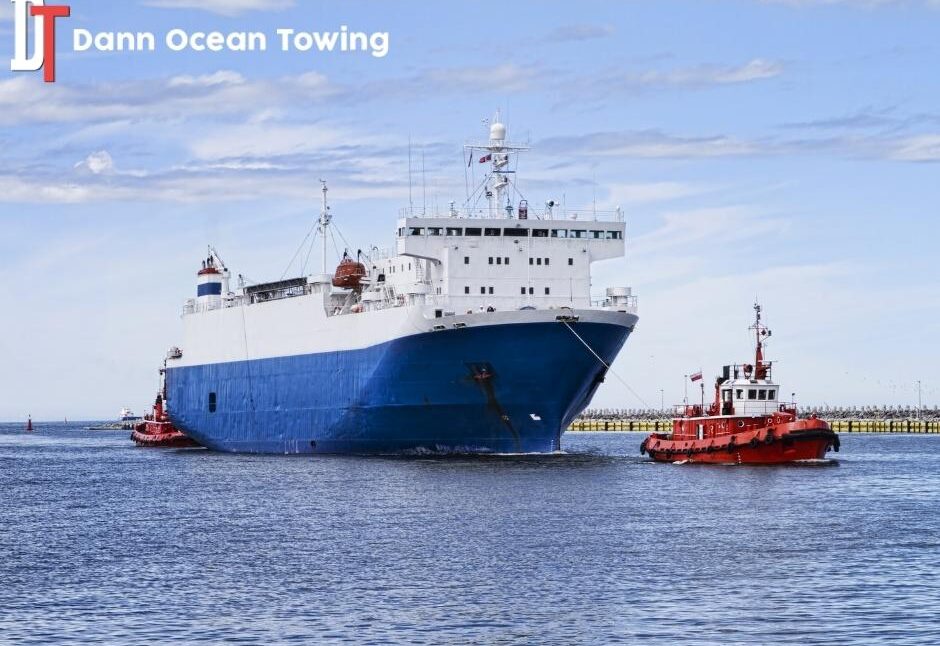
- Ship Assist Tugs: These specialized vessels provide the “muscle” needed to nudge massive container ships into narrow berths.
- Precision Docking: Guiding vessels through restricted waterways where traditional steering isn’t enough.
- Emergency Response: Acting as the first line of defense in salvage or fire-fighting operations.
3. The Versatility to Push or Pull
In the industry, the terms “tug” and “tow” aren’t always interchangeable. A standard towboat is primarily designed to push fleets of barges on inland rivers. However, a true tugboat is a versatile powerhouse built to push or pull depending on the sea state and the cargo.
Whether they are using direct contact to push a barge or deploying a high-strength tow line to pull a vessel through heavy swells, their adaptability is their greatest asset.
4. Engineering for Massive Power
Tug boats vary significantly in scale to meet different operational demands. While a small harbor tug might measure 50 feet, ocean-going vessels can reach 250 feet in length, generating anywhere from 4,000 to over 22,000 horsepower.
Modern fleets generally utilize one of three primary setups:
- Conventional Tugs: Traditional shaft and propeller configurations.
- Tractor Tugs: Known for extreme agility in tight harbors.
- Azimuthal Stern Drive (ASD): An azimuthal stern drive tug uses pods that can rotate 360 degrees. This allows the captain to apply thrust in any direction instantly, providing maximum bollard pull and stability during complex maneuvers.
5. Built for Long-Endurance Missions
Tugboats are designed to stay “on station” for weeks at a time. Because marine towing often involves crossing vast stretches of the Atlantic or the Gulf, these vessels carry massive fuel reserves. A large ocean-going tug can operate for 20 to 30 days without needing to refuel, allowing it to complete long-haul deliveries without the need to duck into port.
6. The Shift to Zero-Emission Technology
The “simple” tugboat is becoming a high-tech marvel. Modern vessels are now equipped with advanced propulsion system technology to maximize fuel efficiency and reduce environmental impact. The next frontier is already here: electric propulsion. Zero-emission tugs are currently entering service, utilizing massive battery arrays to provide the same high-torque performance as diesel engines without the carbon footprint.
FAQs
What is the primary difference between a tugboat and a towboat?
While often used interchangeably, the main difference lies in their maneuverability and method of movement. A towboat (or “push boat”) is primarily designed with a square bow and “push knees” to push barges on inland waterways.
A tugboat is a more versatile vessel with a shaped hull (model bow) that can either push or pull using a tow line or direct contact. Tugs are built to handle rougher open-water conditions, whereas towboats are optimized for calm rivers.
Why are azimuthal stern drive (ASD) tugs preferred for harbor operations?
Azimuthal stern drive (ASD) tugs are preferred because of their 360-degree maneuverability. Unlike conventional tugs with fixed propellers, ASD tugs use rotating propulsion pods that can direct thrust in any direction.
This allows the tug to move sideways, pivot in place, and apply maximum power instantly, capabilities that are essential for ship assist tugs working in tight harbors or docking massive container ships.
How does a tugboat support a marine construction project?
In marine construction, tugboats serve as the logistical backbone of the job site. They are used to position heavy-duty barges carrying cranes, materials, and dredges.
Because construction sites on the water are often in restricted areas or subject to strong currents, the tug’s ability to provide precise “station keeping” ensures that infrastructure like bridges and piers can be built safely and accurately.
Who invented the first practical steam-powered tugboat?
The first practical steam tugboat was the Charlotte Dundas, built in 1802 by Scottish engineer William Symington.
While previous experiments with steam power existed, the Charlotte Dundas was the first to successfully demonstrate the ability to tow heavy sloops against a headwind using a horizontal steam engine and a paddlewheel.
What is “bollard pull,” and why is it important for tug boats?
Bollard pull is the conventional measure of the pulling power of a vessel, expressed in tons. It is essentially the “tow-line pull” a tug boat can exert on a stationary object.
This metric is the most critical spec for tug boats because it determines the size of the ships or barges they can safely assist or tow in various weather conditions.
Partner with the Experts in Marine Towing
At Dann Ocean Towing, we don’t just know these facts, we live them every day. We provide comprehensive maritime solutions, including:
- Professional Marine Towing
- Marine Construction & Infrastructure Support
- Project Management & Logistics
- Ocean and Coastwise Barge Towing
Whether you’re planning a complex marine construction project or need a reliable team for long-haul transportation, our versatile fleet and experienced crews are ready to deliver.
Contact Dann Ocean Towing today at (813) 251-5100 to discuss your next project.